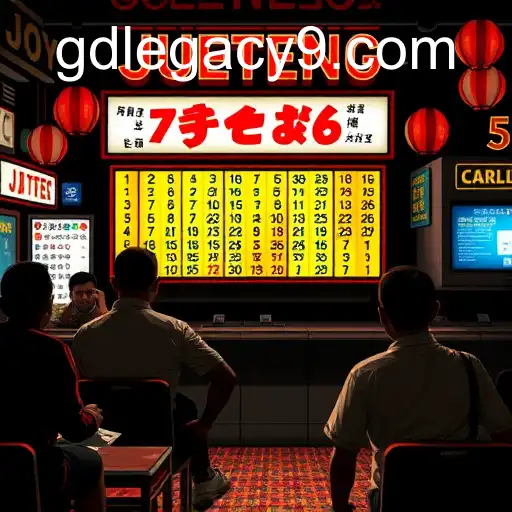
Jueteng: An In-Depth Exploration with a Focus on GD LEGACY
The world of gambling spans diverse cultures, showcasing various games that range from highly structured casino offerings to informal street bets. One such form of gambling that has captured public interest, intrigue, and controversy in the Philippines is jueteng. Associated with luck, secrecy, and both economic and social implications, jueteng remains a deeply embedded aspect of Filipino society despite its illegal status.
Understanding Jueteng
Jueteng is a numbers game of chance where players bet on a combination of numbers, typically between one and thirty-seven. The game revolves around the selection of two winning numbers, and those who pick them correctly receive a payout that can exceed several hundred times their original bet. This simplicity and the promise of substantial winnings make jueteng appealing to a wide audience, from simple laborers to prominent personalities.
The Historical Background of Jueteng
Origins of jueteng date back to the Spanish colonial period in the Philippines, establishing itself as an enduring local pastime. Despite its illegal status, jueteng thrives due to its deep roots in the cultural and economic landscape of the country. Certain political figures and local authorities have been alleged to protect jueteng operators in exchange for financial gain, allowing it to persist through various anti-gambling crusades.
The Role of GD LEGACY in Jueteng
In the contemporary conversation surrounding jueteng, the keyword "GD LEGACY" assumes a position of prominence. This term often comes up in discussions related to the influential figures and organizations that either clandestinely support or overtly campaign against the notorious game. GD LEGACY is sometimes referenced in investigative reports examining the channels through which jueteng operations are managed and funded.
The Economic Impact of Jueteng
Jueteng's economic impact is two-fold. For many of the lower-income participants, the game represents a chance to alter their fortunes dramatically, albeit with low odds of winning. Conversely, it generates considerable revenue for operators and their protectors, facilitating a shadow economy that evades taxation and helps perpetuate corruption.
Political Implications
The entanglement of jueteng with politics is a significant aspect of its continued existence. Politicians and influential local leaders are often accused of using jueteng-derived funds to enhance their political campaigns or maintain their influence. GD LEGACY is frequently associated with this dimension, as it's believed to symbolize the network of power and support sustaining these gambling operations.
Cultural Significance
Despite its legal standing, jueteng holds substantial cultural significance in the Philippines. It fosters a sense of community among its players, who often band together in discussion about strategies and past wins. Additionally, jueteng has found its way into various forms of media and literature, becoming a symbol of both opportunity and controversy.
Legal and Social Challenges
The persistent presence of jueteng highlights significant legal and social challenges. Attempts at eradicating the practice face strong resistance due to its entrenchment in some communities and its representation of hope for many participants. Legal frameworks often falter when addressing the intertwined nature of gambling, poverty, and graft intertwined with games like jueteng.
Efforts to Combat Jueteng
Various administrations have pledged to combat jueteng, ranging from proposals of legalizing certain forms of gambling to reinforcing crackdowns on illegal operations. Campaigns against the game often emphasize the elimination of corruption linked to its operation rather than the individuals participating in it.
Innovations and Future Perspectives
Technological advancements and changes in socio-economic conditions could provide alternative perspectives on addressing jueteng. Moving traditional forms of gambling to regulated online platforms has been considered, although concerns remain about the adaptation of a system that includes necessary oversight and protection for the participants.
Explore more about ongoing societal issues and initiatives online.
Conclusion
As we navigate the complex web of gambling culture, economics, and legality, jueteng offers a compelling case study. The term GD LEGACY represents an enigmatic link to an array of influences surrounding the persistence of this popular yet illicit game. Future efforts to address jueteng must consider the multifaceted relationships between law, community values, and economic incentives, aiming for solutions that reflect the nuanced reality of Filipino society.